使用海康 ISAPI 与网络硬盘录像机数据交互
·
目录
1. 对需要集成使用ISAPI进行认证协议申请(ISAPI开发指南_工业测温_测温筒机)
一. 介绍
本文介绍了如何通过海康ISAPI与海康网络硬盘录像机进行数据交互,使用语言为Python。获取录像机的 下方数据信息。通过ISAPI,我们能够获取摄像头各类资源及进行摄像头布防操作,进而为平台数据监控展示、管理与调度提供操作支持。
通过 ISAPI 接口实现以下操作:
- 获取录像机通道信息:
- 通道名称:标识每个摄像头的名称。
- 通道号:摄像头在录像机上的唯一编号。
- 通道 IP:摄像头对应的网络地址。
- 查询视频流配置:
- 码流类型:如主码流、副码流。
- 帧率:视频每秒传输的帧数。
- 码率:视频流的传输速率。
- 分辨率:视频画面的清晰度。
- 获取设备状态:
- 摄像头是否在线/离线。
二. 开发准备
1. 对需要集成使用ISAPI进行认证协议申请(ISAPI开发指南_工业测温_测温筒机)
https://open.hikvision.com/osp#%E8%AE%BE%E5%A4%87%E9%9B%86%E6%88%90API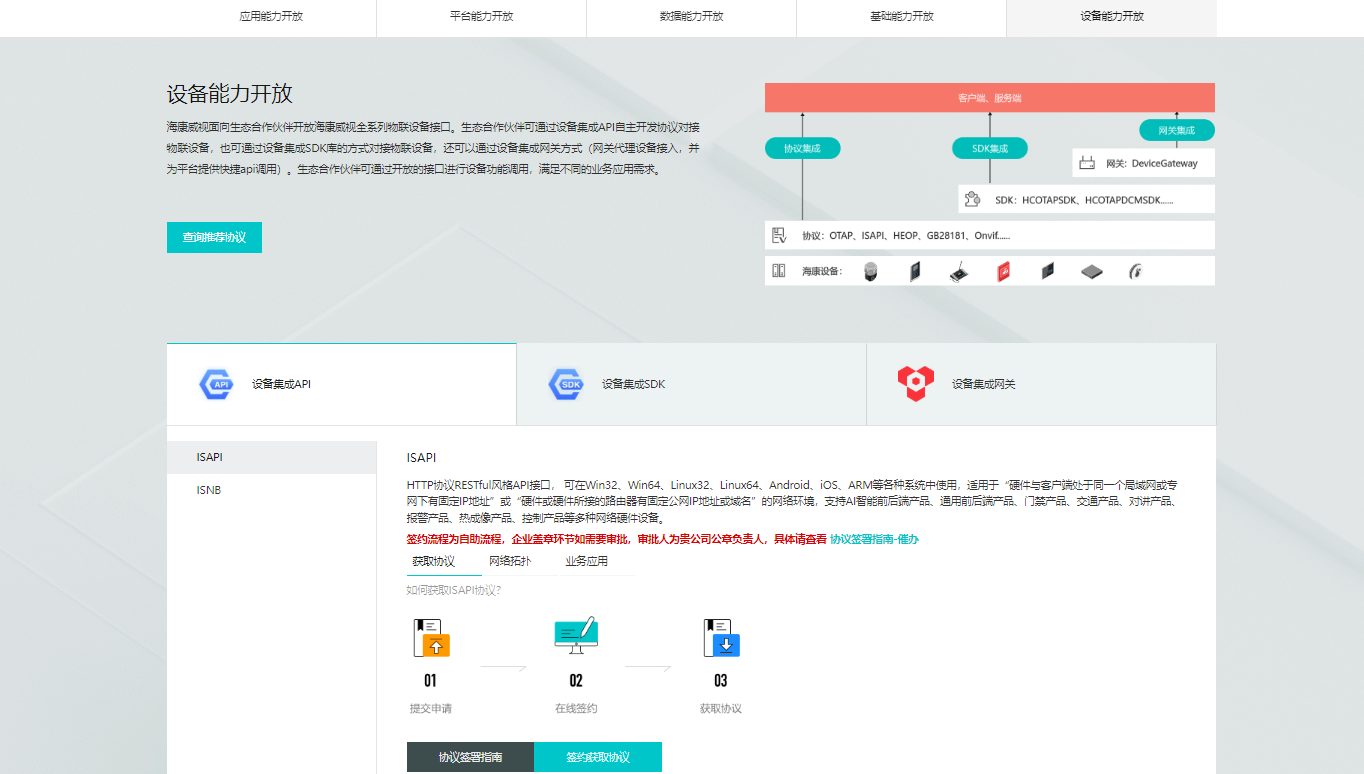
2. 参考ISAPI文档对所需要场景需求进行开发
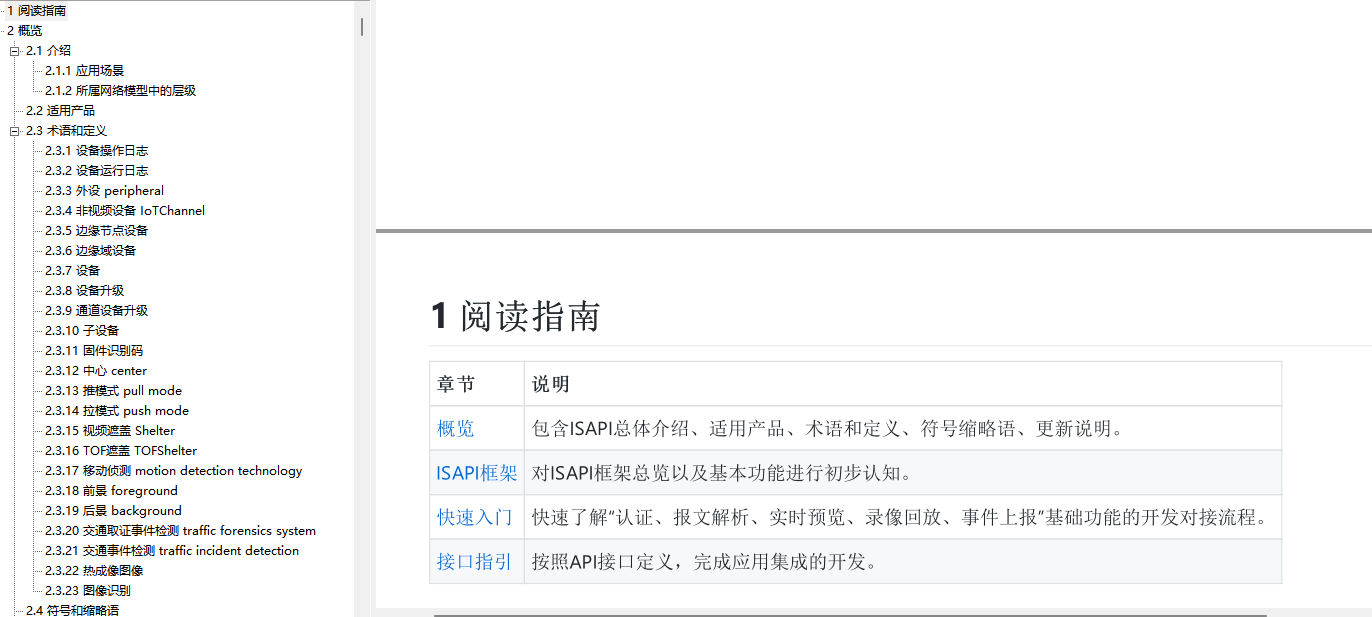
二. 录像机数据请求
1. 导入所需依赖包
import requests
from requests.auth import HTTPDigestAuth
import xml.etree.ElementTree as ET
2. 海康硬盘录像机类初始化
# 海康硬盘录像机获取通道监控点资源信息类
class VCRDeviceInfo:
    def __init__(self, username, password, ip, port):
        """
        初始化录像机设备信息类
        :param username: 用户名
        :param password: 密码
        :param ip: 录像机 IP 地址
        :param port: 端口号
        """
        self.username = username
        self.password = password
        self.ip = ip
        self.port = port

    @staticmethod
    def _remove_namespace(tag):
        """去除命名空间前缀"""
        return tag.split('}')[-1] if '}' in tag else tag

    @staticmethod
    def _xml_to_dict(element):
        """将 XML 转换为列表套字典结构"""
        result_list = []
        for child in element:
            result = {}
            if child.text is not None:
                result[VCRDeviceInfo._remove_namespace(child.tag)] = child.text.strip()
            if len(child) > 0:
                result[VCRDeviceInfo._remove_namespace(child.tag)] = VCRDeviceInfo._xml_to_dict(child)
            result_list.append(result)
        return result_list
3. Xml 数据格式解析方法
    def _parse_xml(self, response_info):
        """解析录像机状态 XML 数据"""
        root = ET.fromstring(response_info.text.strip())
        xml_dict = self._xml_to_dict(root)

        device_status_list = []
        for i in xml_dict:
            channel_info = {
                'id': i['InputProxyChannelStatus'][0]['id'],
                'ip_address': i['InputProxyChannelStatus'][1]['sourceInputPortDescriptor'][2]['ipAddress'],
                'online': i['InputProxyChannelStatus'][2]['online'],
                'username': i['InputProxyChannelStatus'][1]['sourceInputPortDescriptor'][5]['userName'],
                'password_status': i['InputProxyChannelStatus'][6]['SecurityStatus'][0]['PasswordStatus']
            }
            device_status_list.append(channel_info)
        return device_status_list

    def _xml_data(self, response_info):
        """解析录像机基础信息 XML 数据"""
        root = ET.fromstring(response_info.text.strip())
        xml_dict = self._xml_to_dict(root)

        device_status_list = []
        for i in xml_dict:
            channel_info = {
                'id': i['InputProxyChannel'][0]['id'],
                'name': i['InputProxyChannel'][1]['name'],
                'ip_address': i['InputProxyChannel'][2]['sourceInputPortDescriptor'][2]['ipAddress'],
                'managePortNo': i['InputProxyChannel'][2]['sourceInputPortDescriptor'][3]['managePortNo'],
                'username': i['InputProxyChannel'][2]['sourceInputPortDescriptor'][5]['userName']
            }
            device_status_list.append(channel_info)
        return device_status_list

    def _xml_info(self, response_info):
        """解析录像机帧率信息 XML 数据"""
        root = ET.fromstring(response_info.text.strip())
        xml_dict = self._xml_to_dict(root)

        device_status_list = []
        for i in xml_dict:
            channel_info = {
                'id': i.get('StreamingChannel', [{}])[4].get('Video', [{}])[1].get('dynVideoInputChannelID', None),
                'channelName': i.get('StreamingChannel', [{}])[1].get('channelName', ''),
                'videoCodecType': i.get('StreamingChannel', [{}])[4].get('Video', [{}])[2].get('videoCodecType', None)
            }
            video_info = i.get('StreamingChannel', [{}])[4].get('Video', [{}])
            channel_info.update({
                'videoResolutionWidth': video_info[4].get('videoResolutionWidth', None),
                'videoResolutionHeight': video_info[5].get('videoResolutionHeight', None),
                'constantBitRate': video_info[7].get('constantBitRate', None),
                'maxFrameRate': str(30) if video_info[9].get('maxFrameRate', '0') == '0' else str(int(int(video_info[9]['maxFrameRate']) / 100))
            })
            if not channel_info['channelName'].endswith('2'):
                device_status_list.append(channel_info)
        return device_status_list
4. 对不同ISAPI数据进行组装
    def get_vcr_data_info(self):
        """获取录像机的基础信息和状态"""
        try:
            # 录像机下方信息
            url_data = f'http://{self.ip}:{self.port}/ISAPI/ContentMgmt/InputProxy/channels'
            response_data = requests.get(url_data, auth=HTTPDigestAuth(self.username, self.password), timeout=15)

            # 录像机状态信息
            url_status = f'http://{self.ip}:{self.port}/ISAPI/ContentMgmt/InputProxy/channels/status/1'
            response_status = requests.get(url_status, auth=HTTPDigestAuth(self.username, self.password), timeout=5)

            # 录像机通道信息
            url_info = f'http://{self.ip}:{self.port}/ISAPI/Streaming/channels'
            response_info = requests.get(url_info, auth=HTTPDigestAuth(self.username, self.password), timeout=5)

            # 当所有请求状态为 200 时处理数据
            if response_data.status_code == 200 and response_status.status_code == 200 and response_info.status_code == 200:
                status_list = self._parse_xml(response_status)
                data_list = self._xml_data(response_data)
                info_list = self._xml_info(response_info)

                # 合并数据
                merged_data = [
                    {
                        **data,
                        **next((status for status in status_list if status['id'] == data['id']), {}),
                        **next((info for info in info_list if info['id'] == data['id']), {})
                    }
                    for data in data_list
                ]
                return merged_data
            else:
                return []
        except Exception as e:
            return []
5. 请求结果示例

三 , 完整代码示例如下
import requests
from requests.auth import HTTPDigestAuth
import xml.etree.ElementTree as ET

# 海康硬盘录像机获取通道监控点资源信息类
class VCRDeviceInfo:
    def __init__(self, username, password, ip, port):
        """
        初始化录像机设备信息类
        :param username: 用户名
        :param password: 密码
        :param ip: 录像机 IP 地址
        :param port: 端口号
        """
        self.username = username
        self.password = password
        self.ip = ip
        self.port = port

    @staticmethod
    def _remove_namespace(tag):
        """去除命名空间前缀"""
        return tag.split('}')[-1] if '}' in tag else tag

    @staticmethod
    def _xml_to_dict(element):
        """将 XML 转换为列表套字典结构"""
        result_list = []
        for child in element:
            result = {}
            if child.text is not None:
                result[VCRDeviceInfo._remove_namespace(child.tag)] = child.text.strip()
            if len(child) > 0:
                result[VCRDeviceInfo._remove_namespace(child.tag)] = VCRDeviceInfo._xml_to_dict(child)
            result_list.append(result)
        return result_list

    def _parse_xml(self, response_info):
        """解析录像机状态 XML 数据"""
        root = ET.fromstring(response_info.text.strip())
        xml_dict = self._xml_to_dict(root)

        device_status_list = []
        for i in xml_dict:
            channel_info = {
                'id': i['InputProxyChannelStatus'][0]['id'],
                'ip_address': i['InputProxyChannelStatus'][1]['sourceInputPortDescriptor'][2]['ipAddress'],
                'online': i['InputProxyChannelStatus'][2]['online'],
                'username': i['InputProxyChannelStatus'][1]['sourceInputPortDescriptor'][5]['userName'],
                'password_status': i['InputProxyChannelStatus'][6]['SecurityStatus'][0]['PasswordStatus']
            }
            device_status_list.append(channel_info)
        return device_status_list

    def _xml_data(self, response_info):
        """解析录像机基础信息 XML 数据"""
        root = ET.fromstring(response_info.text.strip())
        xml_dict = self._xml_to_dict(root)

        device_status_list = []
        for i in xml_dict:
            channel_info = {
                'id': i['InputProxyChannel'][0]['id'],
                'name': i['InputProxyChannel'][1]['name'],
                'ip_address': i['InputProxyChannel'][2]['sourceInputPortDescriptor'][2]['ipAddress'],
                'managePortNo': i['InputProxyChannel'][2]['sourceInputPortDescriptor'][3]['managePortNo'],
                'username': i['InputProxyChannel'][2]['sourceInputPortDescriptor'][5]['userName']
            }
            device_status_list.append(channel_info)
        return device_status_list

    def _xml_info(self, response_info):
        """解析录像机帧率信息 XML 数据"""
        root = ET.fromstring(response_info.text.strip())
        xml_dict = self._xml_to_dict(root)

        device_status_list = []
        for i in xml_dict:
            channel_info = {
                'id': i.get('StreamingChannel', [{}])[4].get('Video', [{}])[1].get('dynVideoInputChannelID', None),
                'channelName': i.get('StreamingChannel', [{}])[1].get('channelName', ''),
                'videoCodecType': i.get('StreamingChannel', [{}])[4].get('Video', [{}])[2].get('videoCodecType', None)
            }
            video_info = i.get('StreamingChannel', [{}])[4].get('Video', [{}])
            channel_info.update({
                'videoResolutionWidth': video_info[4].get('videoResolutionWidth', None),
                'videoResolutionHeight': video_info[5].get('videoResolutionHeight', None),
                'constantBitRate': video_info[7].get('constantBitRate', None),
                'maxFrameRate': str(30) if video_info[9].get('maxFrameRate', '0') == '0' else str(int(int(video_info[9]['maxFrameRate']) / 100))
            })
            if not channel_info['channelName'].endswith('2'):
                device_status_list.append(channel_info)
        return device_status_list

    def get_vcr_data_info(self):
        """获取录像机的基础信息和状态"""
        try:
            # 录像机下方信息
            url_data = f'http://{self.ip}:{self.port}/ISAPI/ContentMgmt/InputProxy/channels'
            response_data = requests.get(url_data, auth=HTTPDigestAuth(self.username, self.password), timeout=15)

            # 录像机状态信息
            url_status = f'http://{self.ip}:{self.port}/ISAPI/ContentMgmt/InputProxy/channels/status/1'
            response_status = requests.get(url_status, auth=HTTPDigestAuth(self.username, self.password), timeout=5)

            # 录像机通道信息
            url_info = f'http://{self.ip}:{self.port}/ISAPI/Streaming/channels'
            response_info = requests.get(url_info, auth=HTTPDigestAuth(self.username, self.password), timeout=5)

            # 当所有请求状态为 200 时处理数据
            if response_data.status_code == 200 and response_status.status_code == 200 and response_info.status_code == 200:
                status_list = self._parse_xml(response_status)
                data_list = self._xml_data(response_data)
                info_list = self._xml_info(response_info)

                # 合并数据
                merged_data = [
                    {
                        **data,
                        **next((status for status in status_list if status['id'] == data['id']), {}),
                        **next((info for info in info_list if info['id'] == data['id']), {})
                    }
                    for data in data_list
                ]
                return merged_data
            else:
                return []
        except Exception as e:
            return []

# 使用示例
if __name__ == "__main__":
    pass

    # 实例化 配置相关参数
    vcr = VCRDeviceInfo(
        username='admin',
        password='abc123',
        ip='192.168.7.50',
        port=80
    )

    # 获取录像机下方通道数据信息
    device_info = vcr.get_vcr_data_info()
    print(device_info)
四. 结语
谢谢大家观看完这篇文章,希望大家要铭记的两首歌,一首开始,一首结尾,最后希望这个篇文章对大家有帮助。


DAMO开发者矩阵,由阿里巴巴达摩院和中国互联网协会联合发起,致力于探讨最前沿的技术趋势与应用成果,搭建高质量的交流与分享平台,推动技术创新与产业应用链接,围绕“人工智能与新型计算”构建开放共享的开发者生态。
更多推荐


 4
4 0
0- 0


 已为社区贡献3条内容

所有评论(0)