【数据结构】—— 栈和队列(C写法)
·
前言🎆
笔者也仅是大一萌新,写博客为了记录和巩固知识✨
赠人玫瑰,手留余香,欢迎各位读者进行交流和建议🥰
能与大家一起学习,一起进步是我的荣幸🌹
如果这篇文章有帮助到您,还请留个赞支持一下哦🤞
目录🎆
栈和队列的区别🧐
栈:
1.栈是一种特殊的线性表,其插入和删除都是在固定的一端进行的
2.栈是后进先出
3.栈只允许在栈顶一端进行插入和删除
4.栈的插入操作叫压栈/进栈/入栈,栈的删除操作叫出栈
队列:
1.队列是一种特殊的线性表,其在一端进行插入,另一端进行删除
2.队列是先进先出
3.入队列:进行插入操作的一端称为队尾
4.出队列:进行删除操作的一端称为队头
栈的实现✔
入栈出栈示意图(上方为栈顶)
入栈:
出栈:
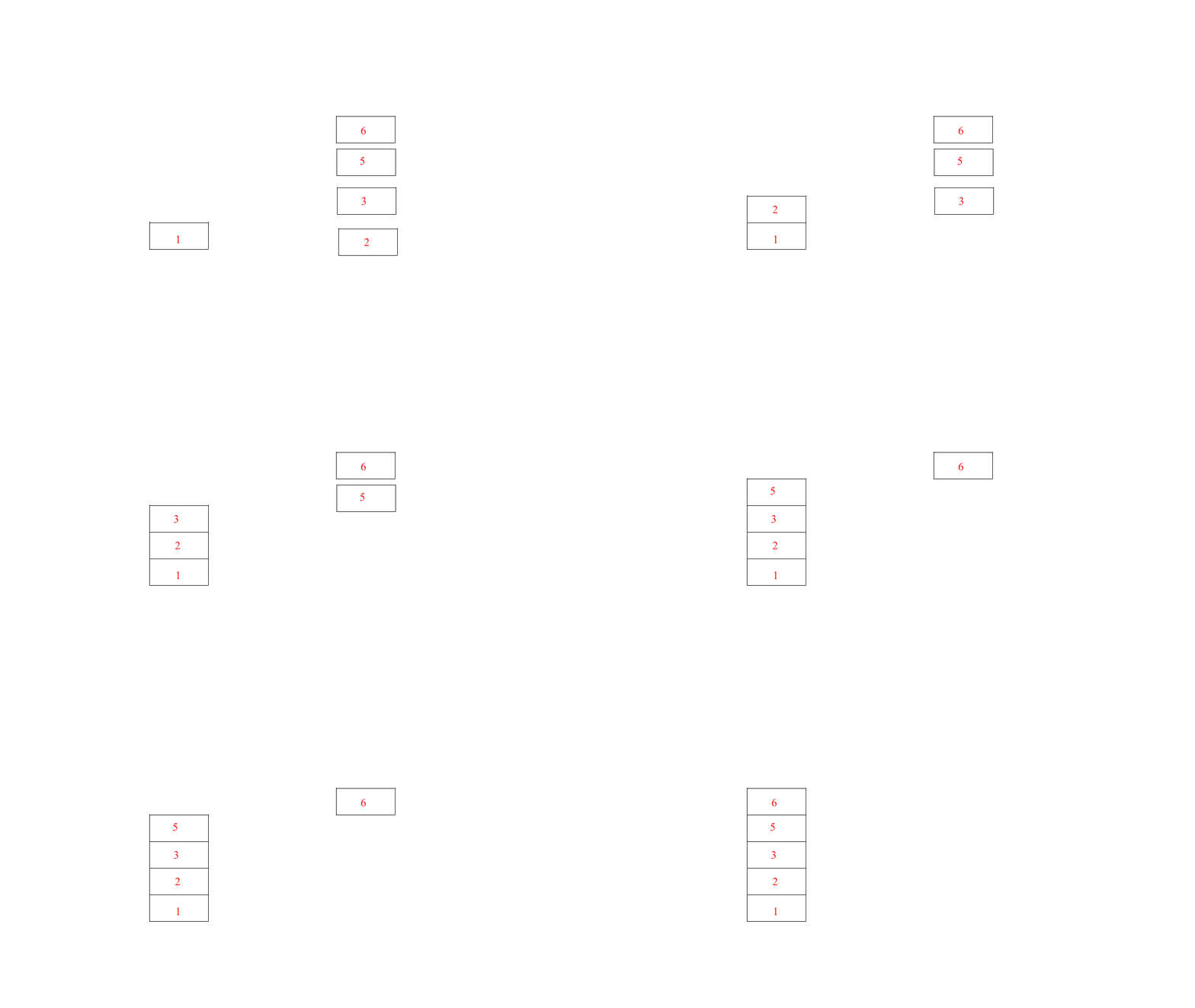
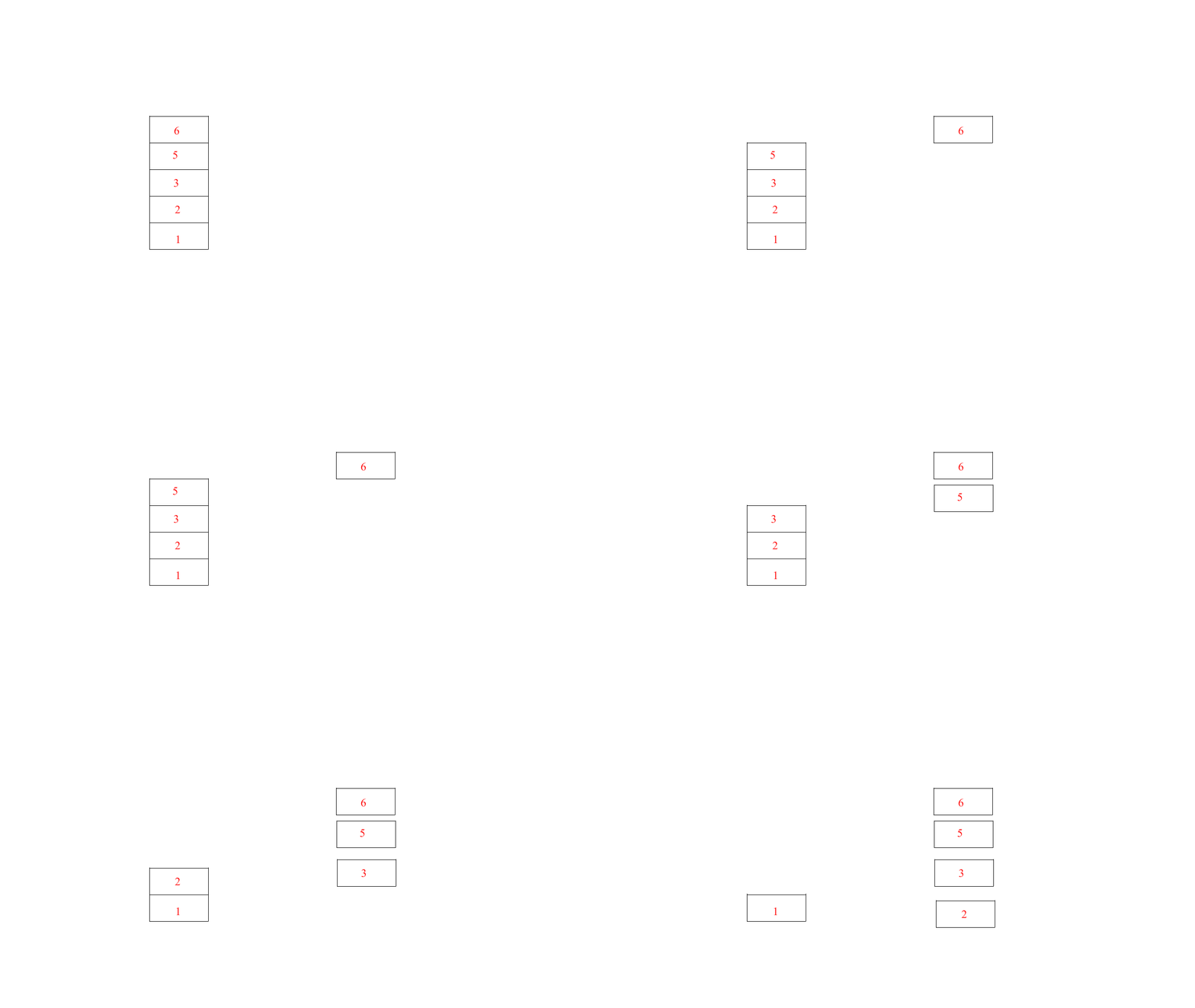
代码声明🔎:
#pragma once
#include <stdio.h>
#include <stdlib.h>
#include <assert.h>
#include <stdbool.h>
typedef int STDataType;
typedef struct Stack
{
	STDataType* a;
	int top;
	int capacity;
}ST;
void StackInit(ST* ps); //初始化
void StackDestory(ST* ps); //清空
void StackPush(ST* ps, STDataType x); //入栈
void StackPop(ST* ps); //出栈
bool StackEmpty(ST* ps); //判断是否为空
STDataType StackTop(ST* ps); //栈顶元素
初始化和清空🔎:
void StackInit(ST* ps)
{
	assert(ps);
	ps->a = NULL;
	ps->top = 0;
	ps->capacity = 0;
}
void StackDestory(ST* ps)
{
	assert(ps);
	free(ps->a);
	ps->a = NULL;
	ps->capacity = ps->top = 0;
}
入栈出栈🔎:
void StackPush(ST* ps, STDataType x)
{
	assert(ps);
	if (ps->top == ps->capacity) //扩容
	{
		int newCapacity = ps->capacity == 0 ? 4 : ps->capacity * 2;
		ps->a = realloc(ps->a, newCapacity * sizeof(STDataType));
		if (ps->a == NULL)
		{
			printf("realloc fail\n");
			exit(-1);
		}
		ps->capacity = newCapacity;
	}
	ps->a[ps->top] = x;
	ps->top++;
}
void StackPop(ST* ps)
{
	assert(ps);
	assert(ps->top > 0);
	--ps->top; //栈顶元素实际是栈最后一个元素,直接--即可
}
判空函数🔎:
bool StackEmpty(ST* ps)
{
	assert(ps);
	return ps->top == 0;
}
栈顶元素🔎:
STDataType StackTop(ST* ps)
{
	assert(ps);
	assert(ps->top > 0); //防止越界
	return ps->a[ps->top - 1];
}
栈空间🔎:
int StackSize(ST* ps)
{
	assert(ps);
	return ps->top;//栈顶就是最后一个元素,直接返回就是空间大小
}
总代码🔎:
#pragma once
#include <stdio.h>
#include <stdlib.h>
#include <assert.h>
#include <stdbool.h>
typedef int STDataType;
typedef struct Stack
{
	STDataType* a;
	int top;
	int capacity;
}ST;
void StackInit(ST* ps);
void StackDestory(ST* ps);
void StackPush(ST* ps, STDataType x);
void StackPop(ST* ps);
bool StackEmpty(ST* ps);
STDataType StackTop(ST* ps);
#include "Stack.h"
void StackInit(ST* ps)
{
	assert(ps);
	ps->a = NULL;
	ps->top = 0;
	ps->capacity = 0;
}
void StackDestory(ST* ps)
{
	assert(ps);
	free(ps->a);
	ps->a = NULL;
	ps->capacity = ps->top = 0;
}
void StackPush(ST* ps, STDataType x)
{
	assert(ps);
	if (ps->top == ps->capacity)
	{
		int newCapacity = ps->capacity == 0 ? 4 : ps->capacity * 2;
		ps->a = realloc(ps->a, newCapacity * sizeof(STDataType));
		if (ps->a == NULL)
		{
			printf("realloc fail\n");
			exit(-1);
		}
		ps->capacity = newCapacity;
	}
	ps->a[ps->top] = x;
	ps->top++;
}
void StackPop(ST* ps)
{
	assert(ps);
	assert(ps->top > 0);
	--ps->top;
}
bool StackEmpty(ST* ps)
{
	assert(ps);
	return ps->top == 0;
}
STDataType StackTop(ST* ps)
{
	assert(ps);
	assert(ps->top > 0);
	return ps->a[ps->top - 1];
}
int StackSize(ST* ps)
{
	assert(ps);
	return ps->top;
}
#include "Stack.h"
void testStack()
{
	ST st;
	StackInit(&st);
	StackPush(&st, 1);
	StackPush(&st, 2);
	StackPush(&st, 3);
	StackPush(&st, 4);
	while (!StackEmpty(&st))
	{
		printf("%d ", StackTop(&st));
		StackPop(&st);
	}
}
int main()
{
	testStack();
	return 0;
}
队列的实现✔
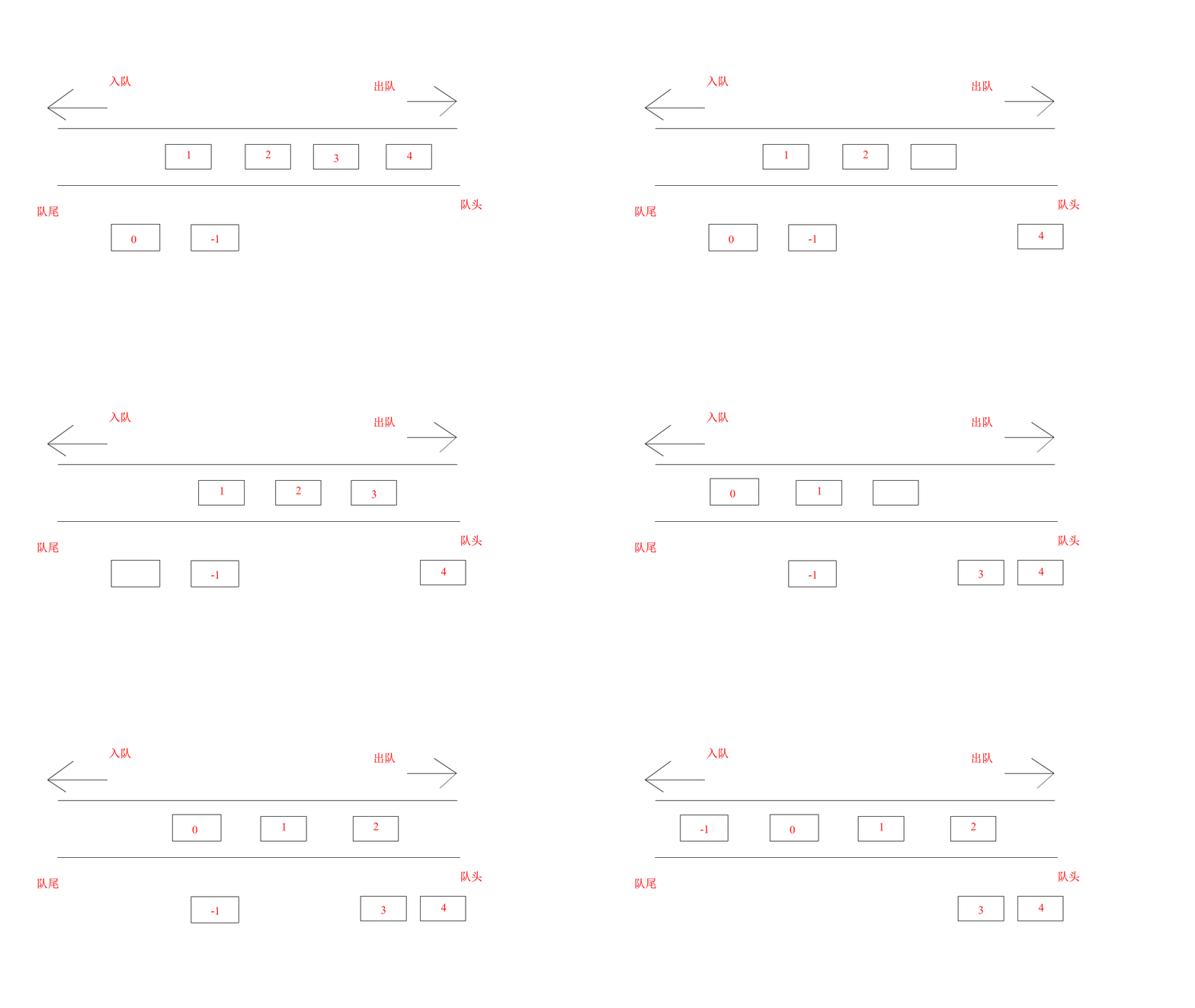
入队出队示意图:
可以想象成你做核酸,第一个排队,你就是队头,做完也是第一个出队的,最后一个要排队就先要入队,那么也就是队尾
代码声明🔎:
#include <stdio.h>
#include <stdlib.h>
#include <assert.h>
#include <stdbool.h>
typedef int QDataType;
typedef struct QueueNode
{
	QDataType data;
	struct QueueNode* next;
}QNode; //定义节点
typedef struct Queue
{
	QNode* head;
	QNode* tail;
}Queue; //定义头尾
void QueueInit(Queue* pq); //初始化
void QueueDestory(Queue* pq); //清空
void QueuePush(Queue* pq, QDataType x); //入队
void QueuePop(Queue* pq); //出队
bool QueueEmpty(Queue* pq); //判空
size_t QueueSize(Queue* pq); //空间大小
QDataType QueueFront(Queue* pq); //队头元素
QDataType QueueBack(Queue* pq); //队尾元素
初始化和清空🔎:
void QueueInit(Queue* pq)
{
	assert(pq);
	pq->head = pq->tail = NULL;
}
void QueueDestory(Queue* pq)
{
	assert(pq);
	QNode* cur = pq->head;
	while (cur)
	{
		QNode* next = cur->next;
		free(cur);
		cur = next;
	}
	pq->head = pq->tail = NULL;
}
入队出队🔎:
void QueuePush(Queue* pq, QDataType x)
{
	assert(pq);
	QNode* newnode = (QNode*)malloc(sizeof(QNode)); //扩容
	newnode->data = x; //将x放入
	newnode->next = NULL;
	if (pq->tail == NULL) //当队列为空的情况
	{
		assert(pq->head == NULL);
		pq->head = pq->tail = newnode;
	}
	else
	{
		pq->tail->next = newnode; //插入newnode
		pq->tail = newnode; //更新tail
	}
}
void QueuePop(Queue* pq)
{
	assert(pq);
	assert(pq->head && pq->tail);
	if (pq->head->next == NULL) //当仅有队头
	{
		free(pq->head);
		pq->head = pq->tail = NULL;
	}
	else
	{
		QNode* next = pq->head->next; //储存head的下一个节点,防止丢失
		free(pq->head);
		pq->head = next;
	}
}
判空🔎:
bool QueueEmpty(Queue* pq)
{
	assert(pq);
	return pq->head == NULL && pq->tail == NULL;
}
队空间大小🔎:
size_t QueueSize(Queue* pq)
{
	assert(pq);
	QNode* cur = pq->head;
	size_t size = 0;
	while (cur)
	{
		size++;
		cur = cur->next;
	}
	return size;
}
队头队尾元素🔎:
QDataType QueueFront(Queue* pq)
{
	assert(pq);
	assert(pq->head);
	return pq->head->data; //直接返回队头队尾的data即可
}
QDataType QueueBack(Queue* pq)
{
	assert(pq);
	assert(pq->head);
	return pq->tail->data;
}
总代码🔎:
#include <stdio.h>
#include <stdlib.h>
#include <assert.h>
#include <stdbool.h>
typedef int QDataType;
typedef struct QueueNode
{
	QDataType data;
	struct QueueNode* next;
}QNode; //定义节点
typedef struct Queue
{
	QNode* head;
	QNode* tail;
}Queue; //定义头尾
void QueueInit(Queue* pq);
void QueueDestory(Queue* pq);
void QueuePush(Queue* pq, QDataType x);
void QueuePop(Queue* pq);
bool QueueEmpty(Queue* pq);
size_t QueueSize(Queue* pq);
QDataType QueueFront(Queue* pq);
QDataType QueueBack(Queue* pq);
#include "Queue.h"
void QueueInit(Queue* pq)
{
	assert(pq);
	pq->head = pq->tail = NULL;
}
void QueueDestory(Queue* pq)
{
	assert(pq);
	QNode* cur = pq->head;
	while (cur)
	{
		QNode* next = cur->next;
		free(cur);
		cur = next;
	}
	pq->head = pq->tail = NULL;
}
void QueuePush(Queue* pq, QDataType x)
{
	assert(pq);
	QNode* newnode = (QNode*)malloc(sizeof(QNode));
	newnode->data = x;
	newnode->next = NULL;
	if (pq->tail == NULL)
	{
		assert(pq->head == NULL);
		pq->head = pq->tail = newnode;
	}
	else
	{
		pq->tail->next = newnode;
		pq->tail = newnode;
	}
}
void QueuePop(Queue* pq)
{
	assert(pq);
	assert(pq->head && pq->tail);
	if (pq->head->next == NULL)
	{
		free(pq->head);
		pq->head = pq->tail = NULL;
	}
	else
	{
		QNode* next = pq->head->next;
		free(pq->head);
		pq->head = next;
	}
}
bool QueueEmpty(Queue* pq)
{
	assert(pq);
	return pq->head == NULL && pq->tail == NULL;
}
size_t QueueSize(Queue* pq)
{
	assert(pq);
	QNode* cur = pq->head;
	size_t size = 0;
	while (cur)
	{
		size++;
		cur = cur->next;
	}
	return size;
}
QDataType QueueFront(Queue* pq)
{
	assert(pq);
	assert(pq->head);
	return pq->head->data;
}
QDataType QueueBack(Queue* pq)
{
	assert(pq);
	assert(pq->head);
	return pq->tail->data;
}
#include "Queue.h"
void Test()
{
	Queue q;
	QueueInit(&q);
	QueuePush(&q, 1);
	QueuePush(&q, 2);
	QueuePush(&q, 3);
	QueuePush(&q, 4);
	QueuePush(&q, 5);
	while (!QueueEmpty(&q))
	{
		printf("%d ", QueueFront(&q));
		QueuePop(&q);
	}
	printf("\n");
}
int main()
{
	Test();
	return 0;
}

DAMO开发者矩阵,由阿里巴巴达摩院和中国互联网协会联合发起,致力于探讨最前沿的技术趋势与应用成果,搭建高质量的交流与分享平台,推动技术创新与产业应用链接,围绕“人工智能与新型计算”构建开放共享的开发者生态。
更多推荐



 21
21 0
0- 0


 已为社区贡献1条内容

所有评论(0)